
Flow into the Present Moment: Ways to Stay Engaged

Facebooktwitterredditpinterestlinkedinmail

Life doesn’t always go as planned, and trying to control everything only leads to frustration. The more flexible you are, the easier it is to handle challenges without feeling overwhelmed. Letting go of rigid expectations makes room for new opportunities and a lot less stress.

Go With The Flow

What It Means to Go with the Flow

Going with the flow means rolling with whatever life throws your way instead of stressing over things you can’t control. It’s about staying flexible and open-minded so changes don’t feel like roadblocks. Stopping the resistance to what’s happening makes it easier to handle challenges without feeling drained.

It also means letting go of the idea that things have to happen a certain way. Not being stuck on one outcome opens you up to new opportunities you might not have considered. Plans don’t always work out exactly as expected, but sometimes, they turn out even better.

Why Going with the Flow Makes Life Easier

Keeping an open mind helps you figure things out faster. Being flexible allows you to find solutions that wouldn’t be possible if you were stuck on one way of doing things. Instead of feeling frustrated, adjusting your approach makes it easier to move forward.

A more positive mindset leads to better choices. Fighting against change only creates stress and makes decisions harder. Staying open to new possibilities makes it easier to choose what’s best without overthinking every step.

Ways to Make a Go with the Flow Attitude Part of Your Life

Practicing mindfulness keeps you focused on what’s happening right now instead of stressing about the future. Paying attention to the present makes it easier to handle situations as they come. Overthinking what might happen only makes things harder.

Reframing challenges as opportunities makes a big difference in how they feel. Every tough situation teaches something, even if it’s not obvious right away. Seeing problems as chances to grow makes them easier to work through.

Letting go of resistance to change takes the pressure off. Focusing on what you can control instead of what you can’t make transitions feel smoother. Some things are out of your hands, but how you respond is always up to you.

Trusting the process helps you stop forcing every little detail. Trying to control everything only leads to frustration. Staying open to different possibilities makes it easier to adjust and sometimes even find something better than what you expected.

Letting Go of the Pressure to Be Perfect

“Perfectionism is the voice of the oppressor.” — Anne Lamott. Mistakes aren’t the end of the world—they’re part of getting better. The more you accept that the easier it becomes to move forward without stressing over every little thing. Trying to be flawless all the time only holds you back.

Real progress comes from showing up and putting in the effort, not from getting everything right on the first try. Focusing on growth instead of perfection makes challenges feel less overwhelming. When you stop obsessing over perfect results, it’s easier to stay motivated and keep improving.

Unrealistic expectations only add unnecessary pressure. Holding yourself to impossible standards leads to burnout, not success. Giving yourself space to improve without expecting perfection makes the process more enjoyable and way less stressful.

Handling the Unexpected Without Freaking Out

Taking a deep breath before reacting gives you a moment to reset. Rushing to respond with emotion can make things worse. A short pause helps you think more clearly.

Looking at the situation logically instead of panicking makes it easier to find a solution. Breaking it down into smaller steps keeps it from feeling overwhelming. Staying flexible and open to different options allows you to adjust without unnecessary stress. Unexpected challenges are easier to handle when you’re willing to adapt.

How a Go with the Flow Mindset Helps at Work

Adapting to market changes makes it easier to keep up with new trends. Industries are always shifting, and holding onto old methods can slow you down. Staying flexible helps you adjust and find new opportunities instead of feeling stuck.

Career changes don’t always happen the way you expect. Being open to new roles or responsibilities makes transitions smoother and less stressful. The more willing you are to learn and adapt, the easier it is to move forward.

Workplace challenges happen no matter how much you plan. Deadlines get pushed, unexpected problems come up, and things don’t always go as expected. Staying calm helps you focus on solutions instead of getting stuck in frustration.

Making Relationships Less Stressful by Going with the Flow

Letting go of the need to control others makes relationships a lot easier. Trying to change how someone thinks or acts usually leads to frustration. People have their own way of doing things and accepting that takes a lot of stress off your shoulders.

Accepting differences instead of forcing agreements makes conversations feel more natural. Not everyone will see things the way you do, and that’s completely fine. Respecting different opinions keeps discussions from turning into arguments.

Practicing patience during disagreements helps keep things calm. Taking a second to think before reacting can stop small issues from turning into bigger ones. Listening instead of rushing to respond makes it easier to actually understand the other person.

A go-with-the-flow mindset takes the pressure off relationships. Giving people the space to be themselves, embracing differences, and handling conflicts with patience makes everything feel a lot smoother.

Small Changes That Help You Go with the Flow Every Day

Practicing gratitude makes it easier to focus on what’s going right instead of stressing over what’s not. Taking a moment each day to appreciate something good—big or small—can lift your mood. Writing down a few things you’re thankful for can help shift your mindset over time.

Doing things that build adaptability makes unexpected changes feel less stressful. Trying something new, switching up your routine, or stepping outside your comfort zone helps you get used to going with the flow. Letting go of rigid schedules and plans gives you more freedom to adjust when things don’t go as expected.

How to Stop Fighting Change and Just Roll with It

Resistance to change usually comes from fear of the unknown. Acknowledging that makes it easier to move forward. Taking small steps helps build confidence and makes new experiences feel more natural. Change often brings unexpected benefits, even if it doesn’t seem that way at first. Staying open to new possibilities makes it easier to adjust and find new opportunities.

Digital Wall Art Online Shop : PixelPulse

Buy Your Digital Wall Art Through This Link.

Every Sales will help to grow bigger.

Facebooktwitterredditpinterestlinkedinmail

Running in the world of intrinsic and extrinsic motivation. Which one are you

Facebooktwitterredditpinterestlinkedinmail

What drives people to act, strive, or persist in doing something—whether it’s pursuing a career, hitting the gym, or simply learning a new language? 

The main motivation behinds these are intrinsic and extrinsic motivation. While these two types often work hand in hand, understanding the difference between them can provide deep insights into how we function, both as individuals and as part of larger organizations or societies.

Intrinsic motivation refers to engaging in an activity for its own sake—because it is inherently interesting, enjoyable, or satisfying. When you’re intrinsically motivated, you do something not for an external reward, but because the activity itself is rewarding. For instance, someone who paints because they love expressing themselves through colours is intrinsically motivated.

Extrinsic motivation, on the other hand, involves doing something to earn a reward or avoid punishment. This kind of motivation stems from external factors like money, grades, praise, or recognition. A student studying hard to get an ‘A’ rather than out of genuine interest in the subject exemplifies extrinsic motivation.

Intrinsic Motivation: The Power of Passion

Intrinsic motivation is often linked with higher levels of creativity, persistence, and satisfaction. When people are intrinsically motivated, they are more likely to stick with a task, even if it’s difficult or time-consuming, simply because they enjoy it or find it meaningful.

“I have no special talents. I am only passionately curious.” 

This curiosity is a hallmark of intrinsic motivation. People like Einstein pursued knowledge not because of external rewards, but because the process itself was gratifying.

Psychologically, intrinsic motivation satisfies our fundamental needs for autonomy, competence, and relatedness. It often leads to deeper learning and better performance, especially in tasks that require problem-solving, innovation, or sustained attention.

Extrinsic Motivation: The Role of External Drivers

Extrinsic motivation, while often seen as less “noble,” is not inherently bad. In fact, it plays a crucial role in everyday life and society. Jobs, for instance, are often chosen or maintained due to extrinsic factors like salary, job security, or social status.

“The way positive reinforcement is carried out is more important than the amount.” 

Extrinsic motivators can be very effective, particularly when a person has little intrinsic interest in a task. For instance, a child may not enjoy doing math homework, but the promise of extra playtime or praise from a parent can provide enough incentive to complete it.

Which is Better?

For long-term engagement and deep personal satisfaction, intrinsic motivation often proves superior. People driven by internal goals tend to show higher levels of well-being, creativity, and resilience. As Steve Jobs once said, “The only way to do great work is to love what you do.” That’s the essence of intrinsic motivation.

For tasks that are routine, urgent, or lack inherent interest, extrinsic motivation is often more practical. It can provide the necessary push to complete unpleasant but necessary duties, like paying taxes or studying for mandatory tests.

In professional environments, a combination of both is usually the most effective. Companies that offer competitive salaries (extrinsic) but also create a sense of purpose and growth (intrinsic) tend to have more motivated and loyal employees.

Can They Coexist?

Yes, and often they do. In fact, the best motivational strategies combine both intrinsic and extrinsic elements. A teacher, for instance, might use praise (extrinsic) to encourage a child to read, and over time, the child might develop a genuine love for books (intrinsic).

However, care must be taken. Too much emphasis on extrinsic rewards can sometimes undermine intrinsic motivation. For example, if someone begins receiving money for something they previously did for fun, like playing guitar, they might begin to enjoy it less once the reward becomes the main focus.

What’s the takeaway

Understanding the difference between intrinsic and extrinsic motivation is key to unlocking better performance, well-being, and satisfaction in life. While intrinsic motivation stems from a personal desire to explore and grow, extrinsic motivation relies on tangible rewards and social pressures. Both have their place in our lives, and knowing when and how to leverage each can help us make better decisions in education, work, relationships, and personal growth.

Ultimately, the goal should not be to eliminate extrinsic motivators but to nurture intrinsic ones—turning duties into passions and rewards into byproducts of purpose. 

As psychologist Edward Deci once said, “When money is used as an external reward for some activity, the subjects lose intrinsic interest for the activity.” So, balance is key.

In the journey of life, intrinsic motivation might be your compass, but extrinsic motivation is often the wind in your sails. Use both wisely.

Facebooktwitterredditpinterestlinkedinmail

🧘 Ego Can Be a Big Trouble – Even for Grown-Ups

Facebooktwitterredditpinterestlinkedinmail

In a world where maturity is often equated with wisdom, the shadow of ego can still lead even the most seasoned adults astray—discover how this silent saboteur can wreak havoc in our lives.

When people let ego take over, they stop listening to others. They argue more, hurt feelings, and even lose friends. Ego can make someone feel too proud to say “sorry” or too scared to ask for help. Over time, this can make a person feel lonely and unhappy.

Wise people, like Zen monks, learn to quiet the ego. They practice being kind, listening more, and thinking of others. They know that peace comes not from being the best—but from being humble and true.


#ZenForKids #LetGoOfEgo #MindfulLiving #BeHumble
#KidsWisdom #SimpleZen #LifeLessons #QuietMind
#ZenCalifornia #MindfulnessUSA #PeacefulPath

Facebooktwitterredditpinterestlinkedinmail

How to Correct another person with Grace and love

Facebooktwitterredditpinterestlinkedinmail

Have you ever been in a situation where someone else behaviour is affecting you, that person, or other people, and you don’t know how to approach them? Well, you are not alone.

Many of us have been in a similar position, however, gracious confrontation is not something we are great at. Often times, you may end up making the situation even worse while trying to help. Today, you learn five tips you can leverage to correct others gracefully and earn their respect. These tips are universal, you can use them whether you’re a parent, supervisor, or manager. Have a look:

Avoid Being Emotional

Leaving out emotions plays a critical role when you are correcting someone. That’s because how you convey your words is more important than what you are saying. More often, we use emotions to try to emphasize our disappointments. While it may seem like the right thing to do, it never yields positive results.

For instance, would you take a piece of advice from someone yelling at you or someone who’s calm and gentle? I believe the answer is obvious. We are all fragile and highly emotional, as such, when you try to correct someone in an emotional state you risk provoking a defensive response.

Use Observation

Observation is a less-known yet powerful means of correcting someone gently. It provides you with a great avenue for expressing your frustrations, especially to a person who doesn’t seem to note their ill behaviour. Observation is a great tool here because it’s free from judgments and accusations.

When making an observation about someone’s behaviours or actions, ensure you are unbiased. This will help you get a non-defensive response from the individual because often times, people are ready to defend their intentions. So, as a conversation starter, highlight your observation, and then pause to see the response from the individual. At this point, they’ll either accept or oppose your observation. And from there, you can determine the next cause of action.

Correct Privately

When correcting the individual, avoid doing it in front of their peers or your colleagues. That’s because it may lead to greater damage instead of evoking the positive response you were targeting. Not to mention, this approach may damage your respect and team member motivation.

When other colleagues or individual peers are present during the correction, they may lose respect for you. That’s because they’re more likely to understand the situation from their colleagues’ point of view and lower their respect for you. Also, correcting someone publicly demonstrates that you are insecure as a leader.

Sandwich the Rectification

This is a reliable approach when dealing with any situation. Whatever you are correcting, ensure you fit it between two positive remarks about the individual. With this take, the individual is less likely to perceive the correction as an attack and more likely to be grateful and change.

For example, you can begin by acknowledging their latest accomplishment. Thereafter, you can follow up with the correction. In this case, spell out their mistake and suggest how they should handle it. Lastly, you can reaffirm their value depending on the position they hold and indicate the impact of them changing their ways. While doing so, it’s important to note that correction is about facts and not opinions. Also, while correcting the individual, ensure you highlight the set standards and why they should be followed.

Acknowledge Corrected Behaviour

The last part of correcting others with grace is acknowledging the corrected behaviour. In this case, you can do this publicly if you want the change to be long-term. That’s because people love rewards, especially if they put an effort into something. Not getting the acknowledgment means the individual will feel like their effort was just a waste of time. Not to mention, they will resent you for only seeing their faults instead of their effort as well.

Hopefully, these tips will help you. And as we mentioned earlier, correcting people is not as simple as it may seem. It requires strategy and gentleness if you want to get the right results. And if you approach it well, the corrected person will experience joy, tenderness, and graciousness. Not to mention, their respect for you and that of their peers will increase abundantly. People will eternally change their ways not by how authoritative we are but by how gracious we are to them.

Facebooktwitterredditpinterestlinkedinmail

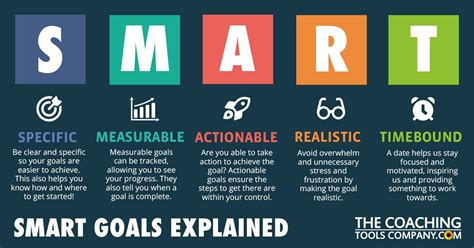
How Exactly To Set SMART Goals For Continuous Self-Improvement

Facebooktwitterredditpinterestlinkedinmail

Goals have the power to spark real change, turning your dreams into something you can actually achieve. They give your actions purpose, keeping you focused and fired up to move forward. When you set clear, meaningful goals, you’re not just aiming for a destination—you’re building momentum and creating the life you’ve always wanted.

Setting Goals That Transform Your Life Journey

SMART methodology rewires your brain’s pathways, creating real changes in tackling challenges. Your mind’s reticular activating system kicks into high gear, pointing you toward golden opportunities that match your dreams. “Setting goals is the first step in turning the invisible into the visible,” as Tony Robbins reminds us, showing how crystal-clear targets light up your brain’s natural goal-seeking superpowers.

Your brain reshapes itself when you set goals, thanks to neuroplasticity and boosted brain power. Businesses using SMART goals nail their projects 25% more often, while go-getters who pin down specific targets are 42% more likely to hit their mark.

Making Your Goals Specific Through Clear Direction

Put those goals down on paper with all the juicy details – skip the vague “get fit” and go for “crush a 5K in under 30 minutes by June 1st.” Map out your journey with bite-sized weekly wins, like knocking out three 20-minute runs every week, and list every single tool you’ll need along the way. Your brain works best when you punch in exact coordinates.

Team up with a buddy who’s chasing similar dreams and catch up regularly to share wins and bumps in the road. Whip up a SMART goals worksheet that spells out your targets, how you’ll measure success, action steps, why it matters, and when you’ll cross that finish line. Jump on board with apps like ClickUp or Strides to turn big dreams into daily doable tasks. Check-in with your goal buddy weekly to fine-tune your game plan based on real results.

Measuring Progress Through Achievable Milestones

Lock in those progress markers with rock-solid numbers – if you’re building your nest egg, track exact figures like “$1,000 monthly for six months.” Jazz up your tracking with colorful habit charts or milestone markers that keep your motivation high.

Today’s tracking apps come packed with features – from reminders to progress charts and all-in-one dashboards that make checking your progress simple. Block out time each week to see how far you’ve come and tweak what’s not clicking. Will Durant nailed it: “We are what we repeatedly do. Excellence, then, is not an act, but a habit,” showing how keeping tabs on progress builds winning patterns.

Keep those progress checks rolling to spot what’s working and what needs a remix – update your targets based on hard data and honest feedback from your accountability buddy. When you knock out those milestones, your brain serves up dopamine, making you ready for more wins.

Realistic Goal Setting for Maximum Impact

You’ll achieve more by matching your dreams with what’s within reach right now. Setting goals that stretch your abilities while staying achievable builds confidence and maintains momentum. Your success rate doubles when you create plans that challenge you without setting up impossible targets.

How can you tackle those big dreams? Start by breaking them into smaller chunks that feel less overwhelming. Map out your major milestones for each quarter, then reward yourself when you hit those targets. Regular three-month check-ins help you adjust your approach and track your wins.

Time-Bound Planning for Consistent Progress

What makes a timeline work? Lock in those start and end dates for each goal. A clear schedule creates a path against which you can measure your progress.
Smart deadlines motivate without adding pressure. Choose dates that allow time for quality work, include buffer time for unexpected challenges, and set regular checkpoints to monitor progress. Breaking your timeline into weekly and monthly targets keeps everything on track.

Time limits sharpen your focus and boost productivity. When you work with deadlines, your brain allocates time more efficiently, helping you avoid procrastination and maintain steady progress.

Professional Growth Through SMART Objectives

SMART goals power up your career growth by forcing specificity into your plans. Rather than saying “get promoted,” you’ll target “completing three leadership courses and leading two team projects by July.” Your goals should link directly to skills needed for your target position.

A mentor relationship combined with consistent progress tracking transforms your professional journey. Document your achievements and learning moments, meet with your mentor regularly to discuss progress, and fine-tune your approach based on their insights.

“The real value of setting and achieving goals lies not in the rewards you receive but in the person you become as a result of reaching your goals.” – Robin Sharma

Personal Development Using SMART Framework

SMART goals turn life changes into lasting habits. Choose specific behaviors to modify and create concrete ways to measure your success.

Want to build lasting change? Focus on small, steady steps that compound over time. Begin with tiny adjustments you can maintain for at least thirty days, track your daily progress, and celebrate when you reach your milestones. Making goals part of your daily routine helps them become automatic behaviors.

Tracking progress fuels your motivation. Keep a simple journal or use an app to record improvements, and take time to celebrate when you reach your targets.

Conclusion

Setting goals that genuinely change your life means getting clear on what you want and creating a plan that keeps you motivated. SMART goals make it easier to track your progress, stay focused, and celebrate every win along the way. Committing to goals that excite and challenge you transforms not just what you achieve but who you become.

Also follow VITALFLOW on Facebook
Facebooktwitterredditpinterestlinkedinmail

Discover how journaling can change your life for the better.

Facebooktwitterredditpinterestlinkedinmail
Journaling: More Than a Diary — Kelly Needham

Journaling is a powerful way to boost mental health and gain clarity in your thoughts. It gives you a private space to process emotions, release stress, and make sense of life’s challenges. This simple habit can improve your well-being and even strengthen your mind and body.

Writing Your Way to Better Mental Health

Your journal can be a powerful ally in battling anxiety, depression, and mental stress by giving you a private space to express your deepest feelings. That blank page won’t judge you – it’s there to catch your thoughts and worries without criticism. Writing down your troubles helps lift that heavy weight off your shoulders, especially when dealing with tough emotions.

Ever noticed how you feel lighter after writing things down? Research shows spending just 15 minutes writing three times weekly can boost your mood and reduce emotional distress within a month. Those who stick with journaling even need fewer doctor visits and show stronger immune systems.

Getting your thoughts onto paper helps untangle those complicated feelings swirling in your mind. A journal helps you spot patterns in how you react to challenges and discover better ways to handle life’s curveballs. As Julia Cameron notes: “Writing is medicine. It is an appropriate antidote to injury. It is an appropriate companion to any difficult change.”

Research Behind Journal Writing Benefits

The science behind journaling is pretty amazing – it actually strengthens your immune system, brings down blood pressure, improves how your lungs work, and keeps your liver running smoothly. When you write about emotional experiences, your body responds by producing more disease-fighting T-cells, and your heart rate stays steadier during stressful moments.

Regular journal writers catch fewer colds and sleep better at night. Writing for just 15-20 minutes before bed helps you drift off nine minutes faster than those who skip the evening scribble. Medical students who wrote about tough experiences showed stronger immune systems than those who wrote about everyday stuff. Spending 15-20 minutes writing about stress three times weekly led to better physical health after four months.

Boost Your Memory with Daily Writing

When you put pen to paper, your brain lights up like a Christmas tree – multiple regions responsible for learning and memory spring into action. This brain workout improves how much information you can hold onto and process at once.

The simple act of moving your hand across paper creates a powerful connection between your motor skills, vision, and memory centers. Your brain builds stronger pathways that help you remember what you’ve written. As Jack London advises: “Keep a notebook. Travel with it, eat with it, sleep with it. Slap into it every stray thought that flutters up into your brain. Cheap paper is less perishable than gray matter. And lead pencil markings endure longer than memory.”

Your journal becomes a treasure chest of memories, storing precious moments and insights that might otherwise slip away. These written records create a reliable map of your journey, helping you track how far you’ve come and remember the little details that shaped your path.

Writing Your Way to Success

Writing your goals on paper makes them 42% more likely to happen, and sharing weekly updates with friends boosts that success rate to 76%. Your brain processes written goals differently than mental ones, creating stronger neural pathways for action. With a buddy system in place, you’re 65% more likely to achieve what you set out to do.

Create a special section in your journal dedicated to tracking those dreams and plans. Map out your milestones with clear deadlines, and leave space to check in on your progress – think of it as your personal success roadmap.

Writing for Self-Discovery

Your journal becomes your confidence-boosting companion through regular writing practice. Each time you write, you’re developing a deeper understanding of your thoughts and emotions, creating space for authentic self-expression. Writing helps you face life’s challenges directly, transforming your journal into a powerful tool for building self-worth.

Joan Didion perfectly captured the purpose of journaling when she wrote: “I write entirely to find out what I’m thinking, what I’m looking at, what I see, and what it means. What I want and what I fear”. This practice opens doors to profound personal insights.

Your journal captures the evolution of your personal growth, documenting hopes, fears, dreams, and achievements along the way. Writing regularly helps identify patterns in your thoughts and behaviors, making it easier to understand your emotional triggers. The more you write, the clearer your path becomes, creating a meaningful record of your journey. Each entry builds upon the last, weaving together the story of your personal development.

Career Growth Through Journal Writing

Writing in your journal strengthens your communication muscles by organizing thoughts into clear, effective sentences. Regular practice expands your vocabulary naturally through the process of self-expression. The habit of documenting your professional experiences develops both analytical and creative writing skills essential for career advancement.

A work journal serves as your professional compass, keeping you oriented among daily tasks and meeting details. It enhances time management while providing space to process challenges and develop solutions, making it an invaluable tool for workplace productivity.

Writing Away Daily Stress

Your journal acts as a pressure release valve for your emotions, creating space for honest expression. Writing about what troubles you helps clear your mind and calm anxious thoughts.

Find your quiet writing spot where interruptions can’t break your flow. Set aside 10-15 minutes at the same time each day, letting words flow naturally without concern for perfect grammar or spelling. Your journal provides a judgment-free zone for authentic expression.

Regular journaling practice helps identify stress triggers while providing healthy outlets for managing daily pressures. Your journal becomes a reliable companion in maintaining emotional balance through life’s challenges.

Conclusion

Journaling is a simple yet impactful way to grow, find balance, and improve your overall well-being. It helps you process your emotions, reflect on your goals, and create meaningful change. Taking a few moments to write each day can make a real difference in how you think and feel.

changeyourlifeforthebetter, #lifechangingforthebetter, #noonecanchangeyourlifebutyou, #foodcanchangeyourlife, #godcanchangeyourlifeforthebetter🙏🏽, #opportunitiescanchangeyourlife, #yourlifecanchangeforthebetter, #biblecanchangeyourlife, #rightdecisioncanchangeyourlife

Also follow VITALFLOW on Facebook
Facebooktwitterredditpinterestlinkedinmail

Breath Awareness: Body and Mind are Connected

Facebooktwitterredditpinterestlinkedinmail

Breathing is so natural it doesn’t require us to think about it. However, when we become aware of our breathing and control it, we can achieve amazing results. Let’s dive into the ways in which breathing becomes a pathway between the body and the mind.

Famously, breathing exercises can help us get our anxiety or other emotions under control. They can help us power through pain or lessen it. They can also help us meditate and feel mindful. Controlling your breath is an essential part of many practices meant to improve your well-being and, specifically, your emotional well-being.

Breathing can be seen as a way to bridge the gap between your body and your mind. It is a physical activity that we can easily take control of. And when we do, it can signal to our brain that everything is fine and to calm down.

The body and the brain have two systems. One of them is the “alert” system. It activates when there is a perceived danger and makes our heart beat faster. There are other physical and emotional changes, like feeling anxiety, nausea, stomaches, wanting to run, sweating, and so on.

The other system is the “off switch.” It makes our body relax, slows down our heartbeat, restores digestion, and so on. Changing our breathing is one way to activate this off switch and get the body to calm down, but also impact the mind in a positive way.

Breathing serves to calm your mind because it calms the body and creates a virtuous circle. It is a simple way to reach the anxious part of yourself and connect with it.

Facebooktwitterredditpinterestlinkedinmail

A 5-Minute Meditation Can Change The Way you Think and Make You More Calm

Facebooktwitterredditpinterestlinkedinmail

Meditation is a habit that seems very complicated on the outside. It sometimes can appear as a “special” skill for special people, but nothing could be further from the truth. Meditation is a skill anyone can master in as little as five minutes per day. It also comes with a broad set of benefits.

What are the benefits of meditation?

Mental

You are likely to have a calmer and clearer mind. Meditation gives you more control over your thoughts but it also empowers you to face negative thoughts without spiraling.

Emotional

Meditation comes with a host of emotional benefits as well. For most people, it provides a lasting sense of peace and serenity, which grows the more you practice meditation. It can help reduce anxiety, anger, and other negative emotions.

Physical

Meditation appears to counteract the negative effects of stress on the body. It can improve sleep and also provide benefits for the brain, from a physical perspective.
There are other benefits to meditation. The practice has been studied for many years and has a lot of advantages. But often it can feel difficult to add another habit on top of a really busy life. So, how can we begin to meditate?

Start with a few minutes

Don’t try to begin by meditating for hours on end. Instead, you can easily do this by starting with five minutes or less. The goal is not to do a lot but to take full advantage of the time you do have.

A few minutes is much better than none. As you become more proficient, you may want to increase the time, but many people stick to their five minutes successfully and reap the benefits.

You can usually make time for five minutes of meditation. You can fit it in your morning routine or the time you have before bed. You can even do it while you commute to work, if possible, on your lunch break, or while waiting in line. A more focused, concrete objective is more likely to be achieved.

Don’t try to clear your mind

The stock phrase associated with meditation is “clear your mind.” Many people find that they can’t do that and, so, they think they can’t meditate. However, this is not the right conception of what meditating is. Instead, it involves bringing your focus back whenever it wavers and trying to focus on something specific, like a thought, a phrase, or your breathing.

It’s normal to get distracted, that’s a part of the process. Just gently bring your mind back to where you want it. As you practice, it might become easier. But the process of meditation is trying to keep your focus, not achieving it perfectly.

Get comfortable

Make your meditation comfortable and easy. You don’t need to sit in the cross-legged pose if you don’t want to. You can sit or lie down, whatever’s most comfortable and most viable in the moment. You can close your eyes or keep them open.

You will usually be able to meditate better if you are not too hungry or thirsty, hot or cold. While experienced meditators can do it anywhere, anytime, it’s fine to first try and be as comfortable as you can.

Make it a time for yourself

Meditation is meant to be something you do for yourself. So make it a nice experience. Do it if you want to, and you’re more likely to build a solid habit. You can enhance the experience by pairing it with things you enjoy, like a particular scent. You might also make it part of the time you dedicate to yourself and cultivating this relationship.

If you enjoy meditation and spend five minutes a day very pleasantly, you are very likely to make it a habit. So try to find a way to make meditation a wonderful part of your day.

This blog article is powered by : VitalFlow Massage & Pranic Healing Services

Facebooktwitterredditpinterestlinkedinmail

How to Relax When You Don’t Know How to Relax

Facebooktwitterredditpinterestlinkedinmail

Relaxing is very important for our physical and emotional well-being. When we live without enough rest and relaxation, it wears our bodies down, keeps your brains anxious and exhausted, and also makes us less creative, less able to solve problems. Relaxation is what keeps us afloat. But different people can find different ways to rest and knowing what works best for you is essential.

Relaxation and recreation are not the same thing

The first thing to understand in regards to relaxation is that it’s not the same thing as recreation. Relaxation usually involves activities that allow your body to recuperate and heal, while recreation can be much more active. Going for a walk can be relaxing; going for a jog is probably recreation.

Both are important to include in your leisure time. However, if you do too much recreation, you might not be getting enough rest. On the other hand, too much relaxation can mean that you have a sedentary lifestyle, which comes with its pitfalls. Identify which activities are relaxing for you and which, while fun, require a certain degree of effort.

Pay attention to your body

It’s important to pay attention to your body. While there are many activities that can be fun and enjoyable, these can also leave you feeling tired and needing rest from the break you just took. The best way to identify them is by paying attention to how you feel.

Ask yourself whether you feel more energized or drained of energy after doing something. This will help you identify whether this is restful for you or not. In your leisure, you should have a good balance of restful and recreational activities, so that your body has the chance to recuperate.

Plan for the things that you enjoy the most

There are many restful activities you can try. People enjoy napping, cooking, reading, watching shows, meditating, and so on. But you might not enjoy them equally or find them as recharging. Some people get bored while meditating. Others find that watching TV leaves them feeling tired.

It’s important to identify the best activities for you and include them in your daily schedule. Make sure that you leave time in your week for your favorite kinds of relaxing activities, and even fifteen minutes are better than none.

Let go of the guilt

An important obstacle when we try to relax is the feeling of guilt or shame over not being productive or not doing enough. When we have the chance to rest, we might not always take it because we feel like we should be doing something else. We push for productivity and end up not doing so well in the long run.

An important factor here is being able to let go of the guilt and shame of not being productive. When we allow ourselves to rest, we do make ourselves better able to be more creative, solve problems, and simply do more work. But we have to give ourselves these breaks. While at first it can be tough, over time we should make our peace with the need for rest.

Make relaxation a priority

Even if we let ourselves rest, we might consider it as something to do when there’s nothing else. We often don’t make it a priority. But we should. When we don’t pay attention to this aspect, it’s easy to let it slip and decide to leave it until tomorrow, until the weekend, or until an unspecified future time, which might never come.

Instead, we should treat rest as any other important issue. Make space for it in your calendar and make sure you have a space every day or as frequently as possible to just relax. Sometimes, it does mean we have to stop doing other things in order to prioritize rest. But it is very important that we do. Without rest, we wear ourselves down and can perform much worse. It leads us to making mistakes and having accidents. Rest is what helps us be at our best and most productive, so by prioritizing it, we ensure better results across different areas of our life.

This blog article is powered by : VitalFlow Massage & Pranic Healing Services

Facebooktwitterredditpinterestlinkedinmail

Unlock Harmony: The Profound Benefits of Massage and Pranic Healing for Mind, Body, and Soul

Facebooktwitterredditpinterestlinkedinmail

The Healing Touch of Massage Therapy:

Massage therapy, with its roots tracing back thousands of years, has long been revered for its therapeutic properties. Beyond mere relaxation, massage unlocks a myriad of benefits that permeate every aspect of our being.

1. Physical Rejuvenation: Massage stimulates circulation, relieving muscle tension and promoting the release of toxins from the body. This not only enhances physical vitality but also boosts immune function, facilitating the body’s innate healing mechanisms.

2. Emotional Restoration: The power of touch is profound—it communicates care, compassion, and comfort. Through massage, emotional stress melts away, fostering a deep sense of relaxation and emotional well-being. It acts as a sanctuary where worries dissipate, and inner peace blossoms.

3. Mental Clarity: In the gentle embrace of skilled hands, the mind finds respite from the relentless chatter of daily life. Massage promotes mental clarity by calming the nervous system, reducing anxiety, and enhancing focus. It is a sanctuary where the mind unwinds, paving the way for profound insights and inner stillness.

Pranic Healing: Illuminating the Soul’s Path:

Healing, a holistic energy healing modality, complements the physical benefits of massage by addressing the subtle energy body. Rooted in the principle that the body possesses an innate ability to heal itself, Pranic Healing harnesses the universal life force to harmonize and balance the body’s energy systems.

1. Energetic Alignment: Just as a river flows freely when unobstructed, optimal health is attained when energy flows smoothly throughout the body. Pranic Healing clears energetic blockages, restoring balance and vitality to the chakras and meridians. This harmonization fosters a profound sense of well-being and vitality.

2. Emotional Resilience: Emotions are energetic currents that shape our experiences and perceptions. Pranic Healing dissolves negative energetic patterns, liberating us from the grip of fear, anger, and sadness. By cultivating emotional resilience, it empowers us to navigate life’s challenges with grace and equanimity.

3. Spiritual Awakening: At its core, Pranic Healing is a journey of spiritual evolution—a pathway to self-realization and enlightenment. By purifying the energetic body, it unveils the radiant essence of the soul, awakening us to our inherent divinity and interconnectedness with all of creation.

#HealingHarmony

#SoulfulRejuvenation

#EnergizeYourBeing

#HolisticWellnessJourney

#MindBodySoulAlignment

    Facebooktwitterredditpinterestlinkedinmail